Playing Preschool Round ✌🏽

A few years ago I started Busy Toddler’s Playing Preschool curriculum with my oldest. She was about three years old at the time and I wrote my review on the curriculum here. 

And now I’m back in the same position with my second child, utilizing our Playing Preschool guide once again! We trekked down to our storage room in the basement and pulled out the tape, dot stickers, pipe cleaners, and paint. We even dedicated a little corner in our home and call it the preschool room! 

Our Melissa and Doug calendar is set up on the wall and we start off our preschool day with poems and songs just like we did in the past. 

This is my second time around with the Playing Preschool curriculum and I am impressed all over again! It truly is learning through playing. As Susie from Busy Toddler promises, there are no worksheets and nothing complicated. It’s just everyday supplies gathered and utilized to help little minds grow and learn. A few things I’ve learned the second time around: 

  • I’ve taken the pressure off of myself to accomplish every single activity outlined for the day. Some days we get through it all, other days I see that learning isn’t happening and we need to take a break for the day. 
  • The repetition of one unit for two weeks can feel really… redundant for adults. After the 7th day of the apple theme, I didn’t want to look at or talk about apples ever again! But the repetition for those preschool-aged minds truly is crucial for learning. 
  • One of my cons on my last review was the hard time I had finding books to use because the pandemic shut down a lot of resources for finding what I needed. However, this time around with libraries open, it’s been much easier. After going through each of these units a second time, I’m more aware of what the needs are with the books used and can change and adapt the books as needed. 
  • The most important part of the entire Playing Preschool curriculum is to have fun. If you’re not having fun, you’re doing it wrong! 

Have you purchased Playing Preschool? What are your thoughts on the curriculum? 

Planting the Seed

Here is a brief list of book recommendations for early readers (PreK-2nd Grade). Stay tuned for more recommendations and more age groups!

Matilda by Roald Dahl

A cult classic for many, Matilda might be daunting for your littles to read on their own, but it makes a GREAT read-aloud! Trunchbull is a bit intense for some, however, so teacher/parent discretion is advised. Rewards for finishing the book can include chocolate cake and watching the equally classic movie adaptation.

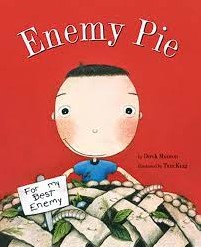
Enemy Pie by Derek Munson

This book is a perfect way to teach kindness and friendship. After Jeremy Ross (or “#1 Enemy”, as he is known to the young narrator), moves in down the street, our narrator turns to his dad for help. The father has just the solution! A recipe for a pie that gets rid of enemies. But as it turns out, this secret recipe is much more effective at turning a best enemy into a best friend.

Who Wet My Pants? by Bob Shea

While it might sound like a potty-training story, Who Wet My Pants? is actually a story about how embarrassment can lead to anger, accidents can (and will) happen, and kindness is the best response.

The Book With No Pictures by B.J. Novak

This book is required to be read aloud. No, really. The book starts off with, “Everything the words say, the person reading the book has to say. Side effects of reading this book can include uncontrollable giggles, choruses of, “Again, again!” from the kids, and not being able to take yourself seriously.

What books resonate well with your early readers? How do you encourage them to be excited about reading?

How To Choose A Good Preschool

How to choose a good preschool

I feel bad writing this post right now because the time to choose a preschool is more in the late winter/ spring since that’s when registration typically falls. However, it’s been a subject on my mind as my daughter attends her second year of preschool and I talk with friends and neighbors about the preschools they’ve chosen for their kids. It made me realize that not all preschools are created equal and there should be a good thought process/ questioning stage before sending our kids off to them. 

First and foremost- preschool is not required. It’s not something you have to sign your child up for, especially because it can be a HUGE financial responsibility when you factor in monthly tuition for 8-9 months for one child, let alone multiple children over multiple years. There are a lot of preschool curriculums you can purchase to use at home if you’re willing. Our favorite is Playing Preschool by Suzy from Busy Toddler.  But there is also NO shame in not doing a full-on preschool curriculum at home with your child either!

If you’re looking for an in-person preschool, here are a few tips and questions you can look into before choosing the correct one for your family: 

Ask about the curriculum and look for keywords like “play” and “social interaction”. It shouldn’t just focus on letters, numbers, shapes, and strict learning. If you have to ask about playtime, that’s a red flag! Almost every preschool will have playtime built into the day, but if it’s not something they bring up without prompting, it’s not their sole focus. 

Here are multiple posts on why preschool is not just letters and numbers: 

There’s More to Preschool Than Letters and Numbers

An entire page on multiple early childhood resources focusing on play, preschool, and independent kids. 

Can you tell our previous writer, Mary, and I are incredibly passionate about this subject?! 

Another tip: tour the preschool if possible! Look at the setup, are art supplies, backpack hooks, toys, and other supplies at a child’s level? This promotes independence and gives children access to a world that often shuts them out. 

Does the space feel safe and somewhere learning can happen? Is it open and ready for play? 

Is the preschool within a reasonable distance from your home, or is there a bus/carpool system? 

Questions to ask: 

Is homework ever required? (Unless the homework is to play, paint, enjoy childhood, or only if the child wants to do it, the answer to this question should always be NO.)

How much is monthly tuition and are there any other fees on top of that? (You need to make sure it’s affordable and sustainable for your family!) 

What school supplies is my child required to have? (Again, affordable and sustainable for your family.) 

What is your goal for the children throughout the school year? (If they say something along the lines of “have them reading before kinder”, please RUN far away and do not incline your 4-5-year-old to the pressures of reading before kinder.) 

What are some daily activities they will be participating in? (Painting, play-dough, pretend play, singing, reading, and other fun activities along those lines are the answers you’ll want to hear.) 

A List Of Our Favorite Toys

Toys are an important part of childhood. They may create clutter and stress in our lives as parents and teachers, but the truth is, they can be essential to our kid’s childhood. They don’t have to be noisy and there doesn’t have to be a lot of them, as long as they are intentional. Here are our favorite toys we keep at our house. In fact, the less noisy and flashy they are, the better development wise. 

Magnet tiles- Learning more about magnets AND the ability to build various structures. They are also an easy add-to collection. Where we can continue to purchase more as gifts to my kids, but our abundance of toys doesn’t feel overrun. 

Wooden blocks- Again, building! Imagination! And sustainable materials. 

Kitchen set with food and dishes- More pretend play has happened in our play kitchen (both outdoor and indoor) than anywhere else in our house. 

Pop open tent- I’m a big fan of these because they fold flat for easy storage behind or under the couch. Our next purchase will be a pop up tunnel. 

Baby dolls- Both my son and daughter love playing pretend with our collection of baby dolls. None of them are very fancy and we’ve thrifted the majority of them. 

Outdoor kitchen with real pots and pans- I spent a weekend thrifting old pots, pans, silverware, and other kitchen dishes that we’ve put into our little playhouse in the backyard. These combined with some dirt and water seem to be our most popular toy! 

The toys you choose to have in your home for your kids don’t have to be extravagant and don’t have to be flashy. In fact, the less batteries required, the better! The more work your child has to do in order to play with the toy, the more learning and growing that is happening. 

What are some of the favorite toys in your house? 

There’s More To Preschool Than Learning Letters & Numbers

I’ve had a lot of conversations with friends lately about their preschool-aged kids and how the majority of preschool teachers are very focused on learning letters. They assign homework or make comments like, “Maybe work with your student on their letters at home, he seems to not be picking them up as fast as other kids.” 

WHY.

Why are we so focused on kids learning letters and reading so early? Why are we adding to the stress and pressure moms feel? Why do we feel like walking away from preschool with every single letter memorized is our end goal here? 

Let’s talk about other skills kids learn and walk away with from preschool that is even more important than letters and numbers. 

  • Social skills- working with other children in play and at learning stations. 
  • Language skills- walking away from school talking better and easier to understand. 
  • Coping skills- how to handle emotions when mom and dad leave or someone takes a toy they wanted. 
  • Responsibility with sensory bins, play dough, paint, toys, and other items. 
  • Fine motor development- working through fine motor activities such as stickers or fingerpaint so later in life, they can do things like…. Hold a pencil. 
  • Gross motor development- jumping and skipping and throwing. 
  • Gaining a love and appreciation for literature.
  • Spatial awareness. 
  • How to open snacks independently. 
  • How to prepare food.
  • How to advocate for themselves. 
  • How to communicate needs and wants. 
  • Empathy and sympathy. 

There is a list of OVER TEN things that preschool-age students walk away with that are essential to the future of their education, yet we are still focusing on learning letters and numbers. Yes, learning letters and numbers are important and we should focus on them as well! But it shouldn’t be our only spotlight. Play is a child’s work, it’s how they learn and grow. If we are giving them adequate time to play and interact with peers and adults, that’s what they need more than anything.  

Please stop adding to the stress of parents and students by shoving numbers and letters down their throats! Please celebrate all of the accomplishments your child is achieving during preschool! 

Other helpful articles: 

Other Activities To Do Instead of Explicitly Teaching Letters

What is Play-Based Learning?

Reading Before Kindergarten

Kindergarten Prep Frenzy

What I’ve Learned Teaching Preschool 

A Whole Page of Early Ed Resources

Early Childhood Resources All In One Place!

Hi friends! A lot of my posts lately have been focused on early childhood and how we can foster this education as parents and teachers. It’s been my focus simply because it’s my daily life right now. I spend the majority of my day fostering the learning of a one-year-old and a three-year-old, so naturally, it’s where my thoughts have been centered.

Because I have been throwing this content at you so much, I felt like it needed a place where it’s all corralled for you for easier searching. Lo and behold! My early childhood page!

You can find the link to this new page here!

Featured on the page are sensory bin lists, tips, and recipes. Some thoughts on raising independent kids. Really great articles on PLAY. And bonus material on emotions in kids and using Myers- Briggs and Enneagram to understand your child better.

This list and page will be ever growing as I continue to create new content in this scope of ideas, so check back later for more articles. You can find this new page on our top banner under “blog”.

Rice Sensory Bin Tips

Hello, early educators and parents of littles who are ready to dive deep into the sensory bin world! Sensory bins can be daunting given the mess that can come with it. But I’m here to help ease your fears and bring more sensory play into the world. First, a few other resources for articles: 

One Big List Of Sensory Bin Fillers

Tips For Sensory Play In General

Here are my tips specifically for RICE sensory bins. 

SET BOUNDARIES: Before you even begin, set boundaries. Our number one rule is to keep the rice and tools inside the bin. This idea of rice in a bin to play with can be new for the majority of kids and we can’t just assume they know to keep the rice nicely in the bin. Give them good boundaries BEFORE you give them the materials. 

SET THEM UP FOR SUCCESS: One thing I firmly believe is that we have to set kids up for success before we expect them to perform the way we want and expect them to. Even if you set them up for success, accidents still happen. The best solution I have found for keeping rice contained is to put the sensory bin on top of a quilt or rug. Then it can easily be shaken off outside or vacuumed up when you’re done!

KEEP THE BOUNDARIES: When lines are crossed, don’t be afraid to take a break from the rice. Separate the child and the bin however you can, take a minute for a break, and come back to try again for success when you feel the child is ready. 

FIND THE RIGHT TOOLS: Too many tools, not enough tools, or the wrong tools can make or break the sensory bin experience. We’ve done our fair share of experimenting with tools and here are our favorites. 

  1. Scoops and spoons 
  2. Small bowls 
  3. Ice cube trays
  4. Small people or animals for pretend play 
  5. Holiday-themed toys (usually from the dollar store) 
  6. Puzzle pieces for a puzzle find. Expect this to be messier because they’ll be pulling pieces out of the bin. 

PRAISE THE POSITIVE: Applaud and praise the correct behaviors. 
“I love how you’re sharing so nicely with your friend!” 
“You are keeping the rice in the bin so well. I am proud of you!”  

TASTE SAFE IS NOT AN AFTERNOON SNACK: Dyed rice is typically made taste safe (recipe coming soon!). Just because it’s taste safe doesn’t mean it should be eaten. It means you don’t need to call poison control if it ends up in their mouth at some point. With diligent supervision and boundary setting, babies as young as a year old can play with sensory bins full of rice. More on that in the next point. 

The first experience of a sensory bin looks like sitting right next to the child, helping them scoop and play. When rice is inevitably put in their mouth respond with, “Yucky! No no!” and help them spit it out. Repeat over and over. It takes multiple times to remind them and in multiple settings! Be diligent and they’ll understand. Take it away if you need to. 

IT TAKES TIME FOR RICE TO BE AN INDEPENDENT ACTIVITY: To go along with the last point, it takes time for any sensory bin to be an independent activity! If you’re a parent, handing your child a rice bin with toys and tools for the first time so you can make dinner isn’t setting them up for success. Rice bins are a side-by-side activity to teach your child self-control and pretend play. 

In an early childhood educational setting- model, model, MODEL how to play with any sensory activity. Set a responsible adult next to the bin with a handful of kids to monitor and keep the boundaries. 

Given time, independent play with rice is possible! 

Do you have any tips for rice sensory play you can add to this list?