The Child Whisperer: Type Two

This post is part of a series on The Child Whisperer and using it in the classroom. To see more, head here.

Alright, it’s time to talk about Type Two of the child whisperer! For The Child Whisperer types, it’s important to remember that this is not just personality typing, it’s channeling in on a child’s energy and how they use their energy. Most everyone has all four types in them, but one or two shine through the most in the majority of situations. 

Type two is typically known as “The Sensitive Child.” A type two’s primary connection to the world is through emotion, and their primary need is for their feelings and emotions to be heard as well as feeling a connection to their family and loved ones. 

Words that describe type two: emotional, subtle, thoughtful, sensitive. 

Tips for teaching a type two: 

Create a good, lasting relationship with the student. It will be hard for them to learn from you without a good relationship first. 

Two’s need a plan and time to process everything going on around them. They may become anxious when last-minute plans come up or their regular school schedule is changed for the day. 

They are your students taking as long as possible on assignments, tests, and readings. They take all of the time possible to internalize what they are doing and the information they are given. 

They are also the students that like to ask you step-by-step how to go through processes they are learning. And not only that, but they may ask multiple times! 

Type two’s are little emotional chameleons. They easily take on the emotions of others, whether that’s pain, anger, sadness, or happiness, light-hearted, or excitement. 

Do you have a type two child in your classroom? What have you learned through teaching this type of student? 

Great List Of Elementary Aged Read Alouds

I’m a sucker for a good read aloud in the classroom!! This post is focusing on read-alouds for elementary-aged students. Please also note that they are equally as good for middle and high school ages! But these specific books are age-appropriate for these younger grades. 

Picture books:

The Little House. It takes a talented writer and illustrator to give a house such expression.

My Name is Yoon by Helen Recorvits. 

The Book With No Pictures by B.J Novak. For when you just need a good laugh! It’s also excellent to teach how words can be so powerful and important in reading. 

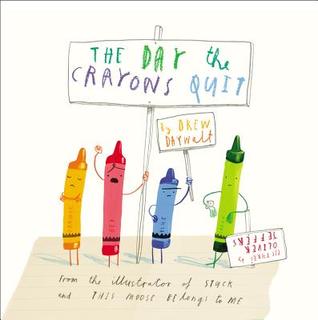
The Day The Crayons Quit by Drew Daywalt

The Napping House by Audrey Wood. The rhythm of this book is so peaceful and nice, a great book when the class needs calming. 

I Like Myself by Karen Beaumont. I cannot read this book without shedding a tear! “I like myself! I’m glad I’m me. There’s no one else I’d rather be.” a message you really hope every one of your students knows. 

Chapter books:

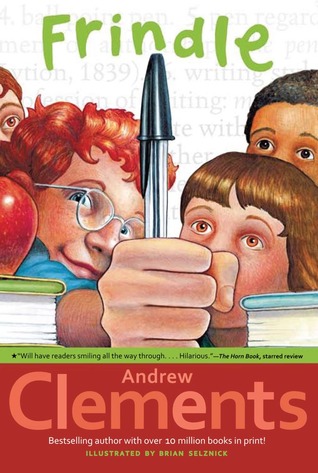
Frindle by Andrew Clements

A Series Of Unfortunate Events by Lemony Snicket. Such a fun series! I’m also a big advocate for reading the first book in a series to students in hope that they pick up books two, and three, and so on….

Nate The Great by Marjorie Weinman Sharmat. Start them early with some good mystery books! 

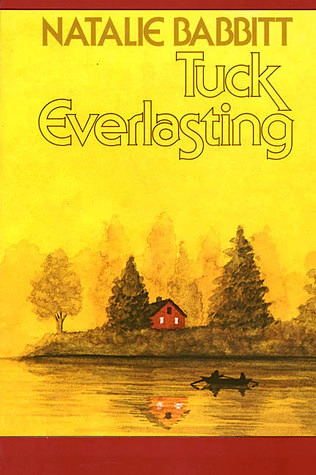
Tuck Everlasting by Natalie Babbitt. 

Brown Girl Dreaming by Jacqueline Woodson. My new favorite! It’s written in verse, making it a unique chapter book. It’s a great read! 

What are your favorite elementary school read alouds? 

When School Is a To-Do List…

…do kids see anything but the list?

…do they put themselves into the learning?

“Seeing a student completely zone out in front of a screen and letting the computer lead the learning is not where I hope education is moving…Let’s just remember that in “personalization” is the word “person.”” ~George Couros

…are they bringing their own energy and passion into those tasks?

…how is their ability for a self-driven life impacted? Are they more or less equipped?

“I start with the assumption that kids have a brain in their head and they want their lives to work. They want to do well. That’s why we want to change the energy, so the energy is coming from the kid seeking help from us rather than us trying to boss the kid, sending the message, “You can’t do this on your own.”” ~William Stixrud

…do they get the chance to discover the power of their own voices?

…is there any room left for curiosity, when so much energy is spent on compliance?

“How do you view the learners in your class? Do you believe children are inherently intelligent, curious and creative? Do you recognise their rights and their capabilities? Do you trust them?” ~Edna Sackson

…is there time for reflection and metacognition?

…do students feel they are making personal discoveries worth discussing?

“I want the students to sit on their own shoulders – watch themselves, notice their responses and listen to their self-talk.  I want them to slow down, press the pause button and review their actions. I want them to ask: “what am I noticing about myself in this?”  “What did I just do/say?” “What is this telling me about myself?” “What could I do differently?” I want them to bring an inquiry stance to learning about themselves as people  and I want them to carry that disposition into the rest of their lives.” ~Kath Murdoch

What small changes can we make to better help students learn to own and drive their learning?

featured image: DeathToTheStockPhoto

What Happens When We “Let Kids In On the Secret” of Development #TeacherMom

It started with a conversation over birding. Having been raised to share love of bird-watching with her dad, my daughter was casually checking out a few species when she mentioned she wished she had her binoculars with her. That’s when I told her, “Did you know that some people can identify birds with other senses besides sight? If you were blind, what would you use to learn about birds instead?” This led to watching the video entitled, “Blind Birdwatcher Sees With Sound,” followed by all the other videos I recently included in an inquiry into the senses.

All this led to a fascinating conversation about the senses, absolutely packed with “aha moments” for my daughter. The baby video in the above-mentioned post particularly made us think together — we ended up talking about how important sensory experiences are for kids. That’s when she made the connection to why we call our bin filled with dry grain a “sensory box,” as well as other items in our home that she suddenly realized were deliberate choices based on her parents’ understanding of child development.

All at once, and to her delight, she was “in on the secret” on her own development as well as that of her brothers. She started to not only recognize but make suggestions to her environment when it comes to providing sensory experiences (particularly keen to share her pearls of wisdom on bettering her little brothers’ experiences). And quite apart from the learning element from it all, it has simply been a wonderful relationship-builder as well.

What does “letting kids in on the secret” look like at school? 

This phrase is regularly shared by inquiry educator Kath Murdoch. She writes,

“inquiry teachers have a transparent style. It’s not just about putting learning intentions up on the wall – they constantly ensure their kids know why they are doing what they are doing.”

In another post, she adds,

“We know that for many students, school is like a jigsaw puzzle…only no one has given them the picture on the lid of the box. We know now of course that when we hold on tightly to those secret intentions, when we fail to tell kids why they are learning what they are learning…when we take purpose away from the equation – we reduce motivation, engagement and understanding.”

Letting kids in on the secret might mean…

…letting a committee of kids design the next seating chart (after discussing the how and why behind it)

…regularly discussing learning standards/objectives and what they mean and how we get there (and how kids might help in the planning to get there!)

…having meaningful conversations about metacognition, and what specific strategies we seek to better understand our own thinking patterns and self-regulation

…teaching kids to recognize their own time-use and purposes, and then gradually providing them with opportunities to exercise agency in how they spend their time (such as in this Daily 5 example).

…frequently talking about the why behind everything we do!

What about you? What are some ways you have “let students in on the secret?” What has been the impact when you see students with a greater understanding of the big picture of school?

featured image: DeathToTheStockPhoto

An Inquiry Into Student Blogging

After a summer of enthusiastic research, I jumped headlong into the world of student blogging in 2013. None of the dozens of blogs, videos, or how-to’s could quite prepare me for just how much goes into it.

Even all these years later, I’ve continued reflecting on how I could improve. While recently reading “It’s Not All About Blog: The Work Before The Blog” on Two Writing Teachers, it came to me: why not share the preparation with students through inquiry?? One of Deb’s tips is to expose kids to lots of great examples of blogging. Today’s inquiry is designed to help kids explore quality exemplars of student blogging!

Resource #1: Edublog Awards

This is where you can find Edublog’s yearly student blogger awardees. This is a great resource if you’re looking for blogs built and maintained by students.

Resource #2: AutisticAndProud

This blog is run by Fionn and his mom with the following goal: “a boy with aspergers gives some views through his eyes…” It’s a wonderful example of how blogging can help us refine our feelings and experiences with words, while also inviting others along that journey.

Resource #3: TheLivBits Blog

I highlighted Olivia as an example of powerful digital citizenship at the beginning of this year. Her blog is another great source for students to look for peer-written, inspiring content — particularly when it comes to books, words, and being true to oneself.

Resource #4: Edublogger Class Blogs (sorted by type/grade)

These class blogs aren’t necessarily run by students (some are run by teachers, etc), but it can be a helpful place to go if you are looking for blogs in a specific group (ie, 1st graders, art, mathematics, etc).

Resource #5: Professional blogs

Checking our professional blogs run by grown-ups can always be worthwhile, too. A few of my favorite consistent blogs as an educator include ones by Pernille Ripp, George Couros, and Seth Godin.

Provocation Questions:

  • What is the connection between writing blogging?
  • What do you notice about the purpose of blogging?
  • What do you notice about how they set up their blogs? (font, text size, About page, widgets in the sidebar, etc)
  • What are the responsibilities of being a blogger to yourself? To your audience?
  • How do comments work?
  • How is perspective connected to blogging?

featured image: DeathToTheStockPhoto
Inquiry into Friendship

Real learning — the kind that students carry with them and treasure in the longterm — is a vulnerable process. If we are to help our students get to a place where they are truly willing to put themselves out there, take risks, make mistakes, and try again, we need to take an active role in cultivating a classroom of trust.

It’s with that in mind that I share this week’s provocation on friendship.

Resource #1: Gymnastics student’s repeated efforts, via harleykyan

Resource #2: “Invisible Boy” by Trudy Ludwig and Patrice Barton

Resource #3: The Wonderment online children’s platform

Meet Us In The Wonderment from The Wonderment on Vimeo.

Provocation Questions:

  • How are trust and the growth mindset connected?
  • How does friendship work?
  • Why does feeling a sense of belonging matter?
  • What is our responsibility to be a friend to others?
  • How has technology changed the way we can support each other?

featured image: DeathToTheStockPhoto
4 Reasons We Just Can’t Break Up with Basals (& How to Finally Move On)

The typical basal-reading program lesson frequently boils down to something like this:

  • Assigned shared text read aloud.
  • Definitions of carefully-bolded vocabulary words copied down.
  • Comprehension worksheets filled out.
  • Students and teachers alike feeling bored to tears.

The truth is, putting kids through this kind of soul-less exercise will produce authentic readers no more than the mastery of connect-the-dots sheets will produce artists.

And we know it. Master teachers refer to the need to “finesse and hybridize” basals to make sure they’re effective. ¹ (which also makes basals’ claims at “research-based effectiveness” shaky since there’s real possibility they take credit for master teachers’ adjustments).

There are so many other ways to help our students develop the reading skills they need while protecting and nurturing their love of reading. Here are a few of the messages I believe we keep getting from basal program companies to convince us otherwise.

#1: Inexperienced teachers need me!

Basals assert that new teachers won’t be able to navigate the waters of literacy instruction without their careful direction. However, if our solution for offering literacy support to new teachers is to let them muddle through a sub-par program, we’re doing a disservice to both our teachers and our students.

Furthermore, even with all the details of a basal program (many of which supply ideas for differentiation, activating background knowledge, etc), “only a well-trained teacher can make the multifaceted decisions involved in developing such instruction”² anyway. Outsourcing this training to a one-size fits all manual is simply inadequate.

P.S. Going basal-free doesn’t mean you have to/should abandon a framework. One phenomenal example is a a workshop framework by Pam Allyn that I reviewed a couple years ago.

#2: You can’t be sure students will develop skills without my guidance.

In a workshop/units of study model, not only do students develop literacy skills, but they do so with a greater degree of context and response to the ongoing trajectory of student learning.

Meanwhile, basal programs tend to spend disproportionate amounts of time drilling specific skills, such as the ones involved in reading comprehension. Consider this:

“It is critical to note that these and other reading programs allocate as much or more actual time to rehearsing comprehension skills than they allocate to teaching any other element in their language-arts program…In reality, when children experience problems comprehending text, it is much more likely due to the child’s lack of knowledge of the subject matter…The notion that we can teach students a set of skills that they will be able to apply to new and unfamiliar texts or situations is a process that cognitive psychologists call “skills transference.” This is regarded as an inordinately difficult task for our brains to pull off and, therefore, is not a practical educational goal. But it is a goal set forward by every major reading program on the market.”³

In addition, even if students develop said skills, if they never apply them because all those basal worksheets suffocated their love of reading, what’s the point? As educator Ross Cooper wrote, “First and foremost, we must promote a love of reading, not a culture of literacy-based micromanagement.4

#3: You won’t have ready access to ability-appropriate text!

Twenty years ago, this may have been the case. But just consider this small sampling of today’s possibilities:

  • Shared texts via projectors/document cameras
  • Newsela (engaging, level-able text at the click of a button)
  • Wonderopolis (text based on “more than 90,000 Wonder questions submitted by users” and differentiation features such as selected-text-to-audio and hover-to-define-vocabulary)
  • DOGO (kid-friendly news that’s also leveled at the click of a button and includes assignments, vocab, and Google Classroom integration)
  • Savvy multimedia librarians that can help identify/pull relevant texts during the immersion phase of units.

#4: You won’t have as much time without me to meet students’ individual needs!

Basal models assume that most kids’ learning takes place right at the top of the bell curve, with “differentiation tips” for the few kids on either side of the curve. But the truth is, every journey is unique. The sooner we disentangle ourselves from all the micromanaged requirements of a basal, the sooner we can spend our time where it really counts: 1-1 conferences, responsive mini-lessons, mentor text studies, student ownership/agency, etc.

No matter what promises are made to the contrary, we need to remember that “there’s no simple solution, no panacea, or miracle cure for reading. The range of ways to solve reading achievement challenges is as broad as the range of student profiles.”²

Sources:

1. http://digitalcommons.brockport.edu/cgi/viewcontent.cgi?article=1507&context=ehd_theses

2. https://www.naesp.org/sites/default/files/resources/2/Principal/2009/J-F_p26.pdf

3. http://www.aft.org/sites/default/files/periodicals/Basal_readers.pdf

4. http://www.bamradionetwork.com/edwords-blog/3-reasons-to-rethink-your-basal-reader

featured image: DeathToTheStockPhoto