The Child Whisperer: Type One

I am excited to dive into The Child Whisperer types and give you tools to utilize them in your classroom. The best part is that this book and personality typing were made for kids. So let’s dive into type one! 

For The Child Whisperer types, it’s important to remember that this is not just personality typing, it’s channeling in on a child’s energy and how they use their energy. Most everyone has all four types in them, but one or two shine through the most in the majority of situations. 

Type one is typically known as “The Fun-Loving Child”. A type one child’s primary connection to the world is to be social and their primary need is to have fun and happy adult interactions. They want to play, move, and go all of the time. 

Words that describe a type one: social, smiley, friendly, flighty, busy, messy, active, outgoing, talkative, mischievous, funny. 

Tips for teaching a type one: 

They love learning through games. 

If you feel disconnected from them, take away the seriousness of school and let them relax and play for a time. 

Ones need time for talking. They are extremely social and can handle school better if they are given the support of meeting their needs as well. 

Type one kids are so fun! They can be exhausting to keep up with at times, but other times, their energy is exactly what you need to get through the day! 

Do you teach a type one child? What other tips would you add to this list for teaching a type one? 

Cover photo from thesmallfryblog.com

Advice For College Move-In Day

college move in day advice and tips

College move in day is rapidly approaching! Here are some tips to hopefully help it go smoothly for you. 

  • Make sure you have the info on what day and possibly what time you can move in. Especially if you are living on campus, they may have regulations to prevent overcrowding and give you a move in time. At the very least, check to see what day is move in day, you will not want to miss this! 
  • Moving into your dorm or apartment means there’s a good chance you’ll be doing a lot of stairs that day. Keep this in mind as you pack! Try not to pack huge, heavy boxes. Reusable bags and totes work great for packing and carrying, with the bonus of being able to use them again for storage or grocery shopping later! 
  • Enlist in help, if needed. Rally together friends and family to help you carry all of your items from the car to your dorm. 
  • Look into the parking situation before move in day, if possible. College campuses are notorious for permit only parking, so double check the lots you can and cannot park in while moving in. 
  • Utilize this time to get to know your neighbors! Offer to help bring things in for them and allow them to do the same for you. 
  • Stay hydrated! This one can be often overlooked, but move in day typically happens in August or September, meaning it’s still hot out and you’ll be working hard carrying totes. Keep a water bottle handy! 

But most of all, good luck! It’s an exciting day for you, so take it all in! 

An Overview of The Child Whisperer Types and How to Use it in Education

the child whisperer in education

If you’ve read my blog series on teaching with Myers Briggs in the classroom and learning more about Enneagram in Education, then you’ll understand just how excited I was to read the book The Child Whisperer by Carol Tuttle and learn even more about personalities and how to utilize this information in a classroom setting. 

The Child Whisperer book isn’t as much about personality typing as it is about learning the different energies humans have and how we can apply that in a classroom (or parenting) setting. This one is easy because there are only four types to remember- 

Type One

Type Two 

Type Three

Type Four

That’s it! However, each type has a wealth of knowledge behind it. Carol Tuttle talks about how each one of us has all four energy types within us, however, one type shines through the most, another secondary type is also fairly prevalent, and the other two types are more hushed and not an energy type we reference often. And picking out these two primary types in yourself and in your kids can help you understand them on a deeper level, giving you more opportunities to connect and teach. 

Over the next several weeks I will write a post specific to each type and the basic information you can pull from these types to help you teach to your best ability. What type are you most excited to read about?! 

Books Celebrating The Women of the Revolution

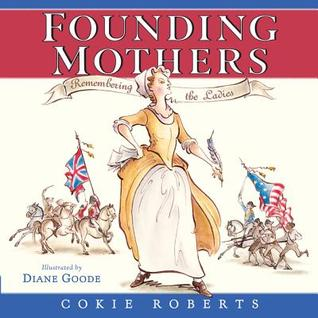
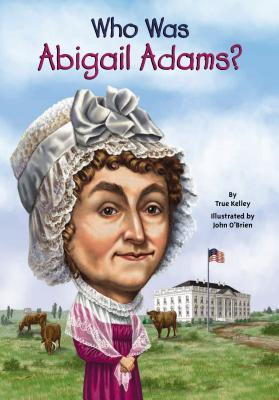
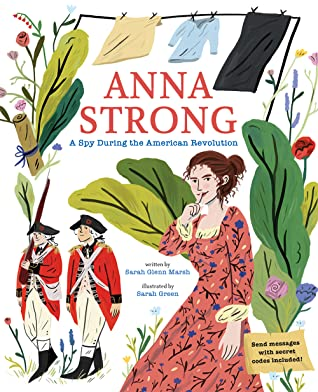
Happy 4th of July weekend! What a great weekend to talk with students about the Revolutionary War and our Founding Fathers. While it’s important to learn about these, there is also a lack of educational information about our Founding Mothers and the women of the revolution. Here are some of the kids’ books that bring out the stories of these women.

Founding Mother’s: Remembering the Ladies

They Called Her Molly Pitcher

Who Was Betsy Ross?

Who Was Abigail Adams? 

From A Small Seed- The Story of Eliza Hamilton 

Anna Strong: A Spy During the American Revolution 

This Land Is Your Land– Not a book about the women of the revolution, but still a moving book worth the read! 

How do you teach about the founding mothers and fathers of our country in your classroom?