Parent Teacher Conference season is quickly approaching along with the end of the school year, for some schools. If this doesn’t apply to you, give this article a read and then save it for next fall when you’ll inevitably want to read it again.
My first piece of advice for you is to identify if your school does Parent Teacher Conferences or if they do Student-Led Conferences. These two different types of conferences can sometimes look vastly different, so knowing what to expect going in is helpful.
An article that is helpful for Parent Teacher Conferences:
Brain breaks are so important in school! It’s hard to sit down and cram your brain with so much information for several hours a day. So teachers, listen up! Here’s a list of (actual) brain breaks for you to use in your classrooms. This list applies to all ages of students, too.
Let me start off with this tidbit first. When choosing brain breaks, remember that the goal is to rest the brain, not make it work differently. What I’m trying to say is, Kahoot! is a great resource, but its time and place aren’t during brain breaks.
Take a walk. Walk around the hallways of the school together or if it’s nice enough outside, take a walk around the school outside. A change of scenery can do wonders for the mind!
Color a picture. There are a lot of free and paid printables online or ask parents to donate coloring books. Coloring and drawing can be so therapeutic!
GoNoodle. I *think* that most teachers are aware of this resource, but just in case you’re not, GoNoodle on YouTube is great for movement brain breaks! They are videos designed to get students up and moving.
Dance party or freeze dance.Turn the music up and play freeze dance or just have a dance party! I don’t think they’ve done any official studies on it yet, but I’m pretty certain the more dance parties that happen in a classroom, the happier the teacher and students are!
Read a picture book.Kids are zoning out during a math lesson? Why not switch it up a bit and grab a fun picture book for them to enjoy before you get back to dividing fractions?
Turn on relaxing music and play Sleeping Lions. The goal of sleeping lions is to be the lion that sleeps the longest. Everyone chooses a safe spot to lie down on the floor and rest while relaxing music plays. Go until the students start getting restless.
Yoga.Cosmic Kids Yoga on YouTube is a great resource, or there are other yoga videos for kids you can look up as well.
Summer break is… almost here? I’m not sure how the weather is where you are, but we seem to be having a very late spring here! Either way, school will be out before we know it.
That means parents and teachers will be hit soon with ads all over the internet from programs boasting about how great their summer workbook is for kids. Or an online curriculum they can follow through the summer to be “second-grade ready!”
But do you know what these students need over summer break?
They need to play. Like, REALLY play. Not structured “Let’s add a manipulative to make it seem fun and call it play!” No. They need unstructured, free time to immerse themselves in a world of play.
They need access to good literature. This means books they might find interesting or want to read, and this also means adults or older kids that read to them. Pack away the reading charts and trackers, just pull out some books and let it come naturally.
They need to sing. As loud as they can, at the top of their lungs, or just casually as they play. They need to hear and feel and sing music, whatever suits them and your family.
They need to color and draw and create. No, stop. Don’t get ahead of yourself. Yes, Pinterest has millions of cute crafts your family can do. And sure, you can do them! But what your kids really need to carve out space for is unstructured creative time. Where they can write and draw and have access to craft supplies (within your means/ comfortability level) and let their imaginations go wild.
They need to be engaged in daily conversation. Discuss why the world is the way it is. Ask questions about their favorite characters from books and movies. Get them chatting about the pro baseball player they look up to or the new video game releasing soon that they’re looking forward to. Tell them about your plans for the day, and tell them your thoughts on the political happenings of the time. Engage in whatever conversation they are willing to have with you.
They need you to not feel guilty about screen time. Everything in moderation! Spending time outside is fantastic! Reading books is great! Diving into an art form is incredible! Screens are amazing! If you spend your summer berating them for spending too much time on screens it can lead to bad effects that you don’t want, like hiding their screens so they don’t get caught, or feeling poorly about themselves for wanting screen time.
And the last thing they need? More play. More time just being a kid and enjoying their time away from academic pressures. What your kid needs most this summer… is to just, be a kid.
We have a sensory drawer in our house that has become very utilized! It’s a great resource for when my kids need to move and touch and have extra sensory input. It’s a drawer that I’m making a mental note of as it grows, changes, and adapts so that I can use a similar setup in my own classroom someday. Things come and go in the drawer, but these are the staples.
In our sensory drawer you’ll find:
Pop its: Is there an official name for these? I’m not exactly sure. But we love them! We have a large variety of these, some big, some small, some tougher, and some softer.
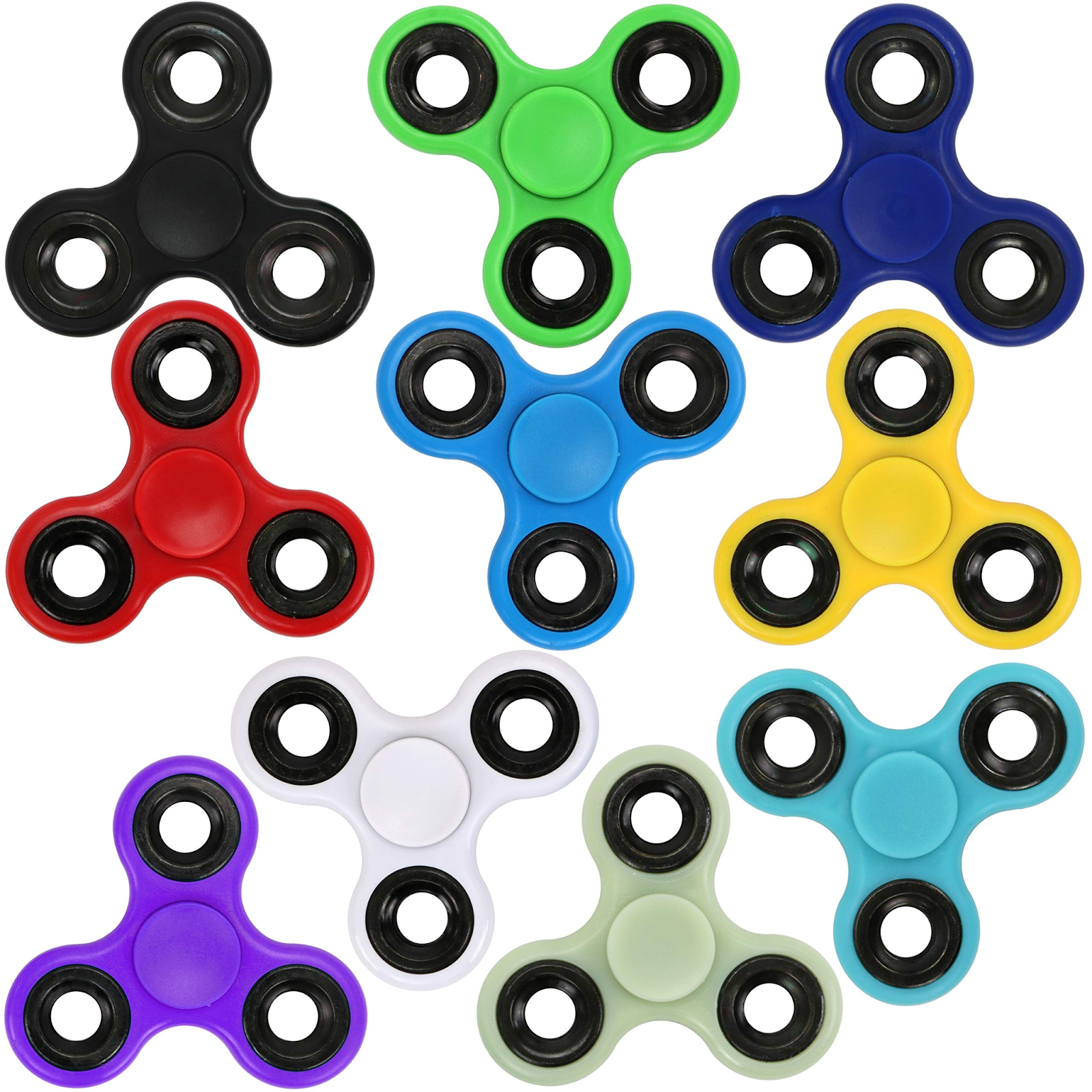
Fidget spinners: The OG fidget.
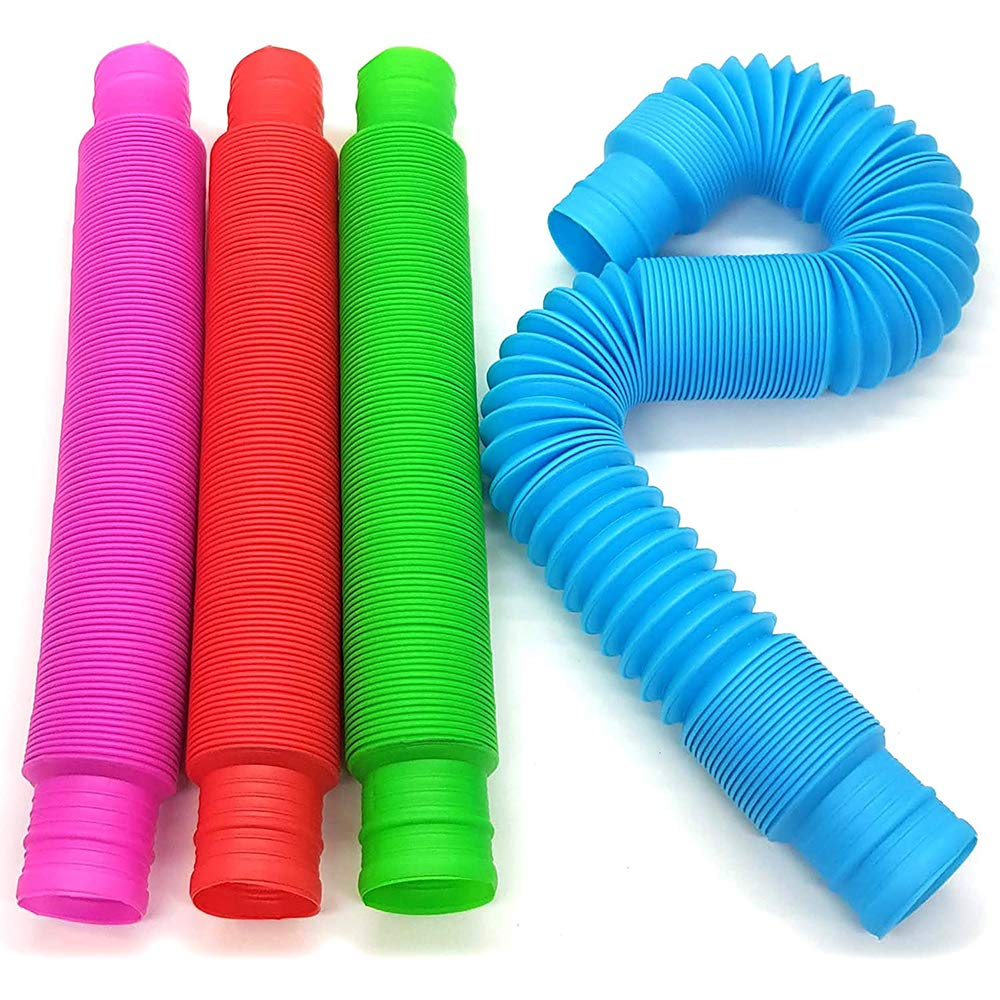
Pop tubes: Okay I know, these can get annoying because of the noise. But if it’s something you feel like you can handle in your home or classroom, there are a lot of possibilities with these!
Silky scarves: These have come in handy when someone needs something smooth to run through their fingers and work great in pretend play, too!
Moon sand: There is a special bin set aside with this stuff. I tried a few homemade versions, but none of them ended up how I wanted them. So we caved and spent the money on actual Moon Sand. It’s been our best purchase! It doesn’t dry out, doesn’t stick to your hands, and is easily picked up off the carpet when spilled. (I won’t even say “if” because we all know it’s a “when” it’s spilled, not “if” it’s spilled.)
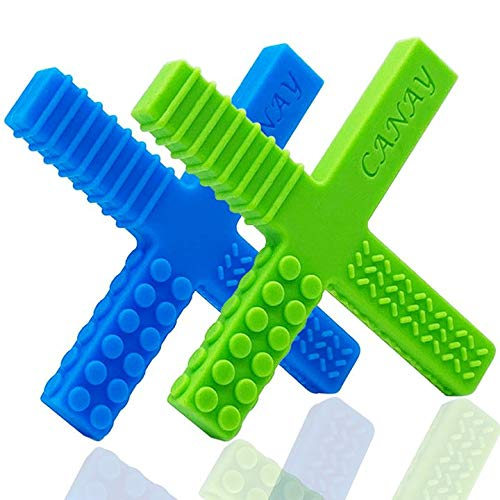
Chewy tubes/ sticks: My son is a chewer! He will chew on anything and everything if we let him. So instead of toys and clothes getting ruined by chewing, we give him safe options to chew on instead.
We recently visited the city of Hiroshima, Japan. Yes, Hiroshima as in, the city the Americans dropped the atomic bomb on during WWII. The city of Hiroshima which was considered unlivable for at least 70 years after the bomb was dropped because of the radioactive dangers surrounding the area. The city of Hiroshima was alive and well and thriving.
It was incredible to step foot where so much history was present. Our first stop was the Peace Memorial park, a vast area dedicated to the atomic bombing.
The A-Bomb building was absolutely haunting and humbling to see. It was the only standing building after the bomb went off and is currently maintained by the city so that it will be standing forever. It’s as if the city of Hiroshima is saying, “You tried to take everything from us, but this one last thing that did survive is ours and you’re not taking it too.”
Where we ended up spending the majority of our time was the Hiroshima Peace Memorial Museum. It was humbling. I had a heavy feeling in my heart from start to finish as I walked through each exhibit.
Many parents donated their children’s items and stories to the children’s room within the museum. Many kids were on their way to school when the bomb hit and their bodies could be identified by name tags on their uniforms or by the lunch pails they were carrying. Just thinking about sending my kids to school only to have an atomic bomb drop on our city was overwhelming enough for me, I could not imagine the heartache those parents went through mourning their losses.
It made me wonder why we have museums and memorials for heartbreaking moments in history such as the atomic bomb in Hiroshima or Nagasaki. Or WWII and Holocaust museums. Why are we spending time and resources to build these museums, and then our time and resources to walk through them?
Because history is meant to be learned from. There’s a reason history in various forms and time periods is required in most schools! If we’re always looking back on history and satisfied with how everything played out, then we’re not studying it the right way. We do better with what we know and have learned from.
And possibly the most important reason is that these individuals’ stories are meant to be told. They suffered and mourned and lived through important turning points in history, and for that, they should not have to be silenced. They deserve to have everyone hear them loud and clear as they tell their stories giving us the slightest glimpse of their lives during these times. This goes for every survivor at any point in time.
The Hiroshima Peace Memorial Museum was incredible and rich with information to learn and hear. It will forever be a life-changing moment for me.
I learned in school when I was younger that there are five senses. When I realized my son was a sensory seeker, these five senses were what I had in mind when I realized I needed to give him more sensory input in his day. After more research, I realized there were actually eight sensory inputs our bodies have!
There are professionals all over our world going to school and working in this field of study that know this information, and then mere uneducated individuals like me that are just now realizing that there’s more to our bodies than the five senses I learned in kindergarten! Wild!
So just in case there are more of you out there like me that are new to this 8 senses game, I’m going to break down what each of the senses is in terms I understand, and hopefully you can too.
Sight
Taste
Touch
Hearing
Smell
And then the three we don’t know as much about.
Proprioceptive: This one is the “hard work” one in my mind. This sensory function utilizes muscles and ligaments in our bodies to move us through space. It also tells us where we are in space and in relation to other objects. Sensory seekers for this area are going to be pulling and pushing objects, carrying heavy things, or running, doing all of these things with as much force as possible. Sensory avoiders will be using their limbs and muscles the least amount possible. Things like lifting or pushing can feel very overwhelming to them.
Vestibular:When I think of vestibular, I try to remember the “inner ear” because that’s the key point to vestibular sensory input. It’s spinning, swinging, and hanging upside down. Those that avoid vestibular input want their world to stay put. Anything that makes them dizzy or feels out of control is a no-go for this sensory input. Those that seek vestibular input are doing everything they can to throw their inner ear off balance- spinning, swinging, rolling, hanging upside down.
Interoceptive: This is the feelings and senses that we have within ourselves. It’s within our brain letting us know how our body is doing and what we are feeling. And not just emotionally, but physically as well. This can be a headache from dehydration, it can be pain in your arm when it’s burned, or even just the feelings of a sad, broken heart. This sense can be incredibly strong for some and dull for others, meaning we all feel pain and emotion at different levels.
I hope this mostly simplified version of the three new senses helps you understand them a little more.
Do you have a sensory seeker or avoider in your home or your classroom?
A teacher was doing an experiment with his students where he held a cup of water up high with a string trailing down to the second cup lower and to the side of the first cup. As seen in the video:
The teacher asked his students to describe what was happening with the water and why it was able to go from one cup to the other without spilling onto the table.
“Cohesion!”
“Surface tension!”
“Anti-Gravity!”
“Newton’s third law!”
He just kept shaking his head saying, “Nope. Nope. Don’t think so complex. Just tell me what’s happening.”
And then a quiet student in the back chimes in,
“The water is sticking to the string as it travels from one cup to the next.”
BINGO.
She described what was happening. The teacher wasn’t looking for the scientific terms for what the water was doing or how it was happening, he was looking for an explanation. The water was simply sticking to the string.
They observed, they took it in, they learned, and the lesson moved forward.
Later in their readings when they came upon the definitions of adhesion and cohesion, each student made the instant connection to the water “sticking” to the string in the earlier experiment.
Science can quickly become a list of definitions to memorize, there is a whole new language out there of scientific jargon that can easily turn into a class of “learn new vocabulary” instead of “learn about science.”
But if you want kids to know science, to really internalize it and get excited about what science has to offer, let the definitions come later.
Introduce them to the world of plants and animals, chemical and physical changes, rocks and clouds, and stars and chemicals. And then when they’re excited and see the world change and create in front of their eyes, taking in everything going on, then give them the word to describe it.
Toddlers don’t learn what grass is by looking at a picture in a book and saying, “That’s grass!” repeatedly. They learn what grass is by sitting in it. Feeling it. Probably taste-testing it. And then hearing their caregiver say to them, “The grass is so soft! Don’t eat the grass, yucky! Do you like the grass?”
Let’s change science classes from memorizing definitions and writing out vocabulary sheets into watching, seeing, observing, and getting excited about what science can offer. And then once they’re ready for the definitions, let those come with time. And they will come if you give them that time.